
Gardening can be both relaxing and challenging. Using the right tools makes the work lighter, especially when dealing with weeds or preparing soil. Two popular tools often compared are the twist weeder and the claw cultivator. While they might look similar to beginners, their uses, designs, and results are quite different. Understanding these differences can help you choose the tool that fits your garden best.
What Is A Twist Weeder?
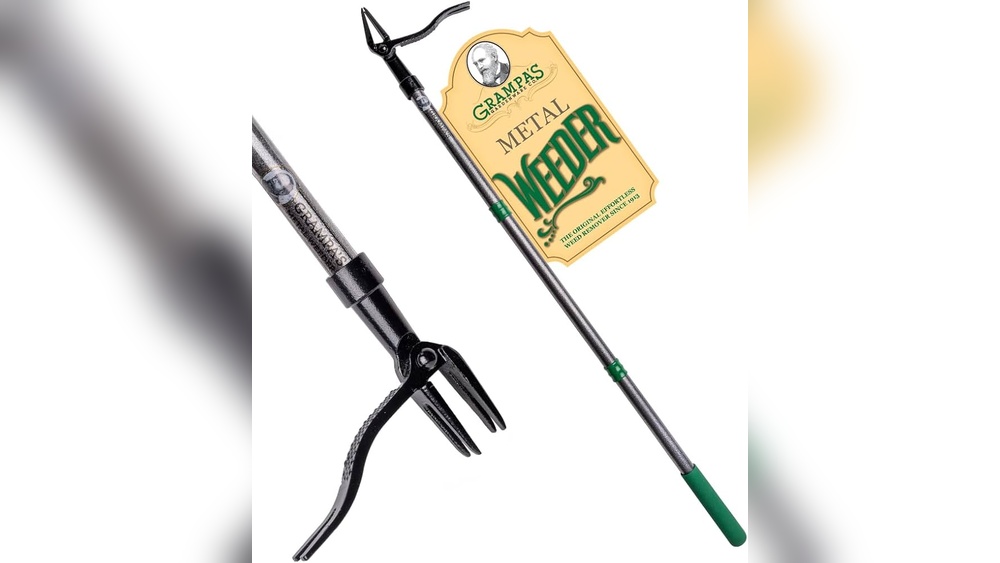
A twist weeder is a handheld garden tool designed specifically for removing weeds by the root. It usually has a long, spiral or corkscrew-shaped metal shaft and a comfortable handle. To use it, you push the tool into the soil near a weed, twist it, and pull out the plant—roots and all.
This tool excels at:
- Removing deep-rooted weeds like dandelions and thistles
- Minimizing soil disturbance
- Working in tight spaces or between closely planted flowers
One insight beginners often miss: twist weeders work best in moist soil. If your soil is hard or dry, the tool may bend or not grip the roots well.
What Is A Claw Cultivator?
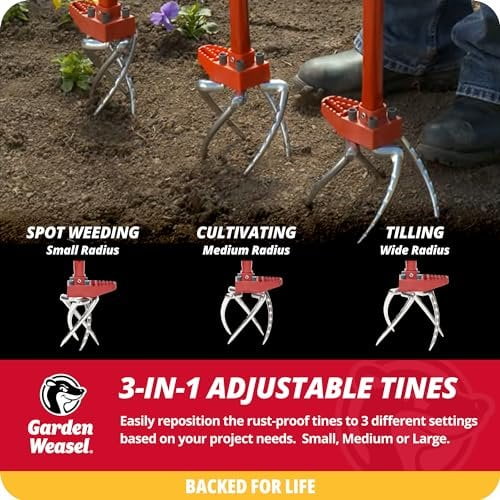
A claw cultivator is a tool with three to five curved tines (claws) attached to a handle. Some have long handles for standing use, while others are short for close-up work. Gardeners use claw cultivators for:
- Loosening and aerating soil
- Mixing compost or fertilizer into garden beds
- Breaking up surface weeds
Unlike twist weeders, claw cultivators are not designed to pull out individual weeds completely. Instead, they break up weed roots and turn them into the soil, which can sometimes cause regrowth if not done carefully.
A detail many miss: overusing a claw cultivator can harm beneficial soil life if you disturb deep layers too often.

Side-by-side Comparison
To see the main differences at a glance, here’s a simple table:
| Feature | Twist Weeder | Claw Cultivator |
|---|---|---|
| Primary Use | Weed removal | Soil loosening, mixing |
| Best For | Deep-rooted weeds | General soil prep |
| Soil Disturbance | Low | Moderate |
| Handle Type | Short, ergonomic | Short or long |
| Root Removal | Complete | Partial |
Benefits And Limitations
Twist Weeder
Advantages:
- Removes entire weeds with roots, reducing regrowth
- Easy to use with minimal effort
- Ideal for precise weeding around delicate plants
Drawbacks:
- Slower for large areas
- Less effective in rocky or very dry soil
Claw Cultivator
Advantages:
- Covers larger areas quickly
- Good for preparing seed beds and mixing amendments
- Reduces soil compaction
Drawbacks:
- May not remove weeds fully
- Can disturb small plant roots nearby

When To Use Each Tool
Choosing between a twist weeder and a claw cultivator depends on your gardening goals.
- Use a twist weeder if you need to remove stubborn weeds from lawns or flower beds without harming nearby plants.
- Use a claw cultivator if you want to prepare soil for planting, mix in compost, or aerate compacted areas.
Some gardeners use both tools in their routine. For example, start with a claw cultivator to loosen soil, then switch to a twist weeder for spot weeding.
Real-world Example
Imagine you have a vegetable bed with a mix of carrots and lettuce, plus some dandelions growing between them. A twist weeder lets you target the dandelions without disturbing your crops. If the soil is packed after rain, a claw cultivator will gently open up the surface for better water and air flow.
Practical Tips For Beginners
- Check soil moisture before using a twist weeder—slightly damp soil gives the best results.
- Clean your tools after each use to prevent rust and keep them sharp.
- Don’t overwork the soil with a claw cultivator, especially around young plants.
- Use the right tool for the right job—this prevents frustration and saves your energy.
- Store tools properly in a dry, covered space to extend their life.
Cost And Durability
Let’s compare the average price and life span of these tools:
| Tool | Average Price (USD) | Expected Life Span |
|---|---|---|
| Twist Weeder | $10 – $25 | 5+ years |
| Claw Cultivator | $12 – $35 | 5–10 years |
Quality brands can last much longer if you clean and store them well. Stainless steel models resist rust better than cheaper, painted versions.
Common Mistakes To Avoid
- Using the wrong tool: Trying to pull weeds with a claw cultivator usually leaves roots behind.
- Forcing tools in dry soil: Both tools work better when the ground is moist.
- Ignoring ergonomic handles: A comfortable grip prevents hand fatigue.
- Over-cultivating: Too much soil disturbance can harm plant roots and soil life.
Which Should You Choose?
If your main problem is persistent weeds, especially in flower beds or lawns, the twist weeder is usually the smarter choice. For general soil work, bed preparation, or mixing compost, the claw cultivator is more efficient. Many gardeners find having both makes their life easier.
For further details on tool types and gardening techniques, visit the Wikipedia Garden Tool page.
Frequently Asked Questions
What Is The Main Difference Between A Twist Weeder And A Claw Cultivator?
A twist weeder is made to remove entire weeds, including deep roots, while a claw cultivator is designed for loosening soil and mixing compost or fertilizer. The twist weeder is precise, and the claw cultivator is better for covering larger areas quickly.
Can I Use A Claw Cultivator To Remove Weeds?
You can use a claw cultivator to break up weed roots, but it often leaves parts of the root behind. This means the weed may regrow. For complete removal, a twist weeder works better.
Which Tool Is Best For Hard Or Rocky Soil?
A claw cultivator usually handles hard or rocky soil better than a twist weeder, but both work best when the soil is moist. For very tough soil, choose a cultivator with strong, thick tines.
How Do I Clean And Care For These Tools?
Rinse off dirt after use, dry with a cloth, and store tools indoors. Sharpen the metal parts if needed, and oil any moving parts. Proper care extends their life and keeps them working well.
Do I Need Both Tools For My Garden?
Many gardeners find it helpful to have both. The twist weeder handles stubborn weeds, while the claw cultivator is useful for soil preparation and maintenance. Your choice depends on your garden’s main needs.
Choosing the right tool saves time, effort, and keeps your garden thriving. Whether you pick one or both, understanding their differences helps you work smarter, not harder.
