
If you invest time and money into a beautiful paver patio or driveway, you want it to last. The sand between your pavers—called polymeric sand—plays a big role in keeping your surface stable and looking great. But what happens when you clean your pavers with a power brush? Many homeowners worry: Do power brushes remove polymeric sand from paver joints? Let’s get straight into the facts, what really happens, and how to avoid costly mistakes.
How Polymeric Sand Works In Paver Joints
Polymeric sand is not the same as regular sand. It’s a mix of fine sand and special additives, like polymers, that harden when water is added. This creates a solid bond, locking the pavers in place and blocking weeds and insects.
Key benefits of polymeric sand:
- Stabilizes pavers so they don’t shift
- Prevents weed growth and ant infestations
- Reduces water erosion by sealing gaps
When properly installed, polymeric sand forms a tough, almost concrete-like joint. But its durability can be affected by the way you clean your pavers.
What Is A Power Brush And How Is It Used?
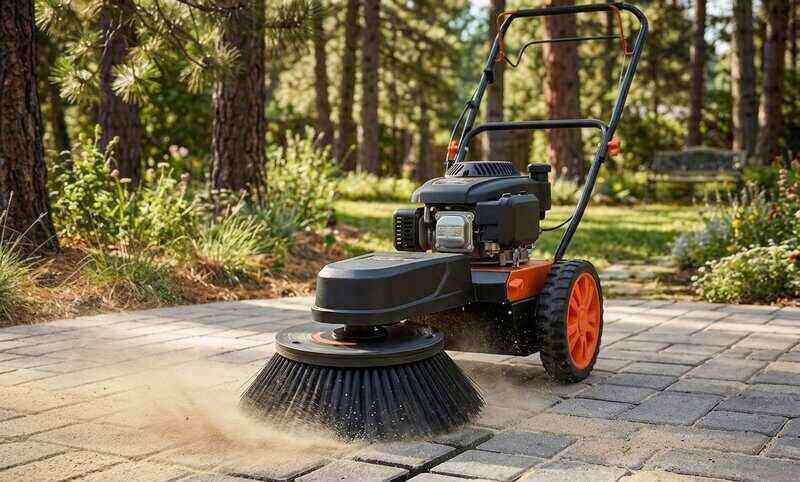
A power brush (sometimes called a rotary brush or surface brush) is a tool with fast-spinning bristles, often used to clean surfaces like patios, driveways, and decks. Homeowners and professionals use them to:
- Remove dirt and debris
- Sweep away moss and light stains
- Freshen up paver surfaces
But these brushes come in different types and power levels. Some are gentle, while others are very aggressive. Here’s a quick comparison:
| Brush Type | Bristle Material | Typical Use | Aggressiveness |
|---|---|---|---|
| Soft Nylon | Nylon | Light cleaning | Low |
| Medium Poly | Polypropylene | Dirt, debris | Medium |
| Wire Brush | Steel wire | Tough stains, moss | High |
Choosing the wrong brush or using it incorrectly can damage your paver joints.

Can Power Brushes Remove Polymeric Sand?
The short answer: Yes, power brushes can remove polymeric sand from paver joints—but it depends on several factors.
Factors That Affect Sand Removal
- Brush Aggressiveness: Hard bristles (especially wire) are more likely to pull out sand.
- Pressure Applied: More downward force means more risk of removing sand.
- Sand Installation Quality: If the sand was not properly installed or cured, it’s easier to dislodge.
- Sand Age: Freshly installed sand is more vulnerable than sand cured for several weeks.
- Joint Depth and Width: Shallow or wide joints lose sand faster.
Here’s a quick look at how different situations affect polymeric sand loss:
| Situation | Sand Removal Risk |
|---|---|
| Soft brush, light touch, cured sand | Low |
| Wire brush, heavy pressure, fresh sand | Very high |
| Medium brush, normal use, old sand | Medium |
Real-world Example
A homeowner in Florida used a wire power brush to remove weeds from his patio. After cleaning, he found gaps and loose pavers. The aggressive brushing had ripped out the polymeric sand, making his patio unstable.
On the other hand, a property manager in Ohio used a soft nylon brush at low speed to clean dust. The sand remained intact, and the pavers stayed stable.
Best Practices: Cleaning Pavers Without Losing Polymeric Sand
To protect your investment, follow these steps:
- Wait After Installation: Give new polymeric sand at least 24–48 hours to cure (longer in humid weather).
- Choose the Right Brush: Use a soft or medium-bristle brush. Avoid wire brushes.
- Use Gentle Pressure: Let the tool do the work. Pressing down hard increases sand loss.
- Clean When Dry: Wet sand is softer and more likely to be pulled out.
- Brush Along the Joints: Go with the direction of the joints, not across them.
- Test First: Try your brush on a small, hidden area to check for sand loss.
Common Mistakes To Avoid
- Using a pressure washer with a narrow jet on joints (it blows out the sand).
- Cleaning too soon after sand installation.
- Over-brushing areas with shallow or damaged joints.
What If Polymeric Sand Gets Removed?
If you notice gaps or loose sand after cleaning:
- Sweep dry sand into the joints and lightly water it, but don’t over-saturate.
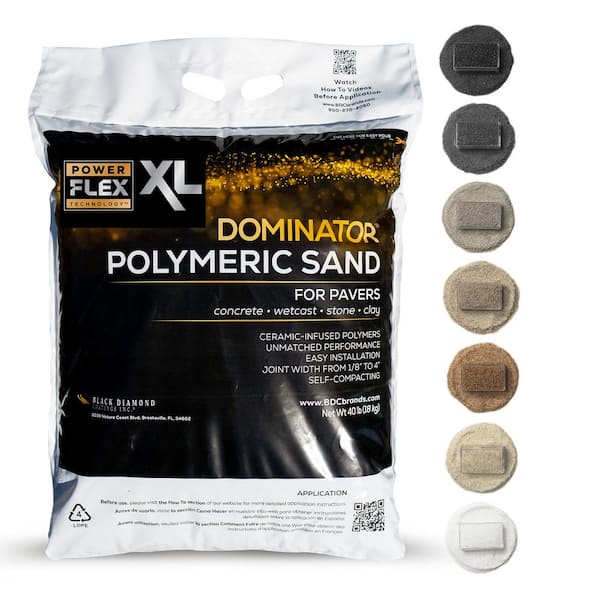
- For deeper loss, reapply polymeric sand following the manufacturer’s instructions.
- Repair quickly to prevent shifting or weed growth.
Non-obvious Insights Most Beginners Miss
- Humidity Affects Curing: Polymeric sand can take longer to harden in humid climates. Cleaning too soon—even with a soft brush—can dislodge sand that feels hard but isn’t fully set.
- Older Joints Can Hide Damage: Over time, rain and foot traffic can wear away the top layer of sand. Brushing may expose these weak spots, causing sudden sand loss that’s not the brush’s fault. Check joints regularly, especially before deep cleaning.
For more details on polymeric sand and paver care, the Interlocking Concrete Pavement Institute offers trusted information: ICPI Resource Library.
Frequently Asked Questions
What Is The Safest Way To Clean Pavers With Polymeric Sand?
Use a soft-bristle brush and sweep gently when the surface is dry. Avoid power washing or aggressive brushing, especially on new installations.
How Often Should I Check My Paver Joints For Sand Loss?
Inspect your joints twice a year—in spring and fall. Look for gaps, loose sand, or weed growth.
Can I Use A Leaf Blower Instead Of A Power Brush?
Yes, a leaf blower on low setting is safe for removing light debris. Keep the nozzle at least a foot above the surface to avoid blowing out sand.
What Should I Do If I See Weeds Growing Between My Pavers?
Remove weeds by hand. If sand is missing, refill the joints with fresh polymeric sand and water it in. Avoid using harsh chemicals that can damage the sand.
Is It Okay To Use A Power Brush On Pavers After Heavy Rain?
Wait until the joints are completely dry. Wet or damp polymeric sand is more likely to be removed by the brush.
Protecting your paver joints means balancing good cleaning with careful maintenance. With the right methods, your patio or driveway will stay solid and beautiful for years.
