
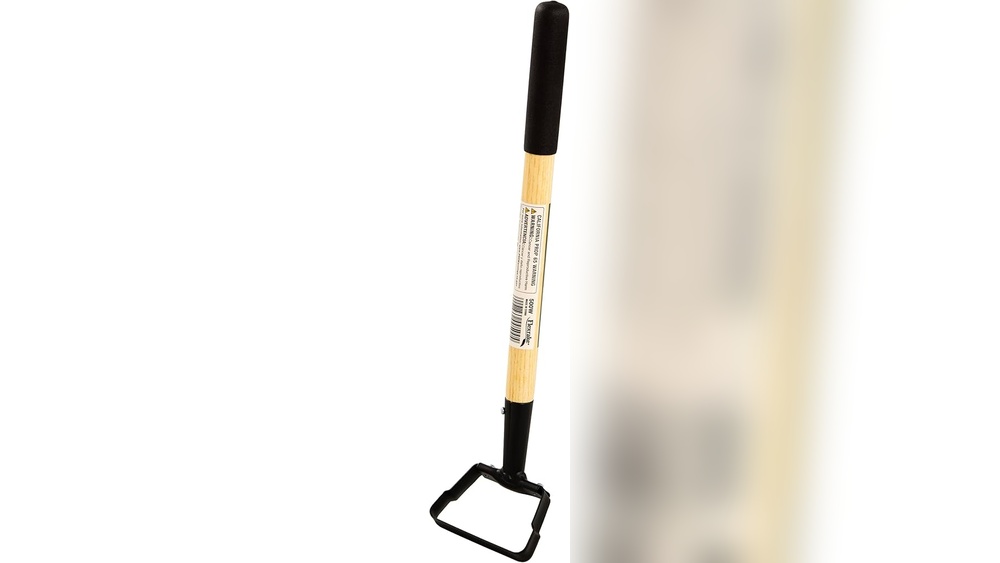
If you use a manual long handle cultivator tool for gardening or farming, you know how much work it can save. But many people forget that cleaning and maintaining this tool is just as important as using it. A well-cared-for cultivator lasts longer, works better, and makes every job safer and easier. Let’s look at how to keep your tool in top shape, step by step.
Why Cleaning And Maintenance Matter
A cultivator often faces dirt, moisture, and rough conditions. If you leave soil and debris on the tool, rust and wear happen faster. According to tool manufacturers, regular cleaning can double the lifespan of hand tools. Neglecting maintenance is a common mistake—many people only clean after the tool breaks or stops working. But small actions after every use prevent big problems.
Cleaning Your Cultivator: Step-by-step
Follow these steps for a simple cleaning routine. You don’t need fancy products—just a few basic supplies.
- Remove Dirt and Debris: After each use, shake off loose soil. Use a stiff brush to scrub the tines and blade. Pay attention to joints and moving parts.
- Wash with Water: Rinse the tool with a hose or a bucket. For sticky dirt, add mild soap. Avoid soaking wood handles for too long.
- Dry Thoroughly: Water causes rust. Wipe metal parts with a dry cloth. Let wood handles air dry, but don’t leave them in direct sun for hours.
- Inspect for Damage: Look for cracks, loose screws, or bent tines. Early repairs prevent costly replacements.
- Apply Oil: Use a light layer of machine oil on metal parts to stop rust. For wood handles, rub with linseed oil to keep them smooth and prevent splintering.
Common Cleaning Mistakes
- Ignoring the handle: Wood handles need oil to avoid drying and cracking.
- Using harsh chemicals: Stick to mild soap; strong cleaners can damage metal or wood.
- Skipping drying: Always dry before storing. Moisture is the enemy.

Maintenance: Keeping Your Cultivator Working
Regular maintenance is simple but often skipped. Here’s how to do it right.
Sharpening Blades And Tines
Dull blades make work harder. Sharpen with a metal file every few months. Hold the file at a 20-degree angle and work in one direction. Check for nicks or bends—fix them with a hammer or replace badly damaged parts.
Tightening Joints And Screws
Loose parts cause wobbling and unsafe use. Inspect all screws, bolts, and rivets. Tighten with the correct tool. If a part won’t tighten, it may need replacement.
Checking Handles
Wood handles should be smooth and free from cracks. Sand rough spots gently. If you see deep cracks, replace the handle to avoid accidents.
Storage Tips
Keep your cultivator in a dry, cool place. Hang it on a wall or keep it off the ground to prevent moisture damage. Avoid storing outside or in damp sheds.
Data: Common Cultivator Problems
Here’s a look at issues gardeners face most often:
| Problem | % of Users Reporting | Easy Solution |
|---|---|---|
| Rusty blades | 43% | Apply oil regularly |
| Loose handle | 27% | Tighten screws |
| Dull tines | 31% | Sharpen with file |
Many beginners ignore these issues until the tool fails. Addressing them early keeps your cultivator reliable.
How Often Should You Clean And Maintain?
The best routine is clean after every use, maintain monthly. But if you use your tool less, do a full check before and after the gardening season. After heavy use, pay extra attention to blade sharpness and handle condition.
| Task | Frequency | Time Needed |
|---|---|---|
| Basic cleaning | After each use | 5-10 minutes |
| Blade sharpening | Every 2-3 months | 15 minutes |
| Handle oiling | Every 4-6 months | 10 minutes |
| Full inspection | Monthly | 10 minutes |
Choosing Cleaning Products And Oils
Not all products are equal. For metal, choose machine oil or vegetable oil. For wood, use linseed oil—it’s safe and long-lasting. Avoid WD-40 for wood; it’s made for metal. For cleaning, mild dish soap works best. Strong chemicals like bleach can damage the tool.
| Product Type | Best Use | Average Cost |
|---|---|---|
| Machine oil | Metal parts | $5–$10/bottle |
| Linseed oil | Wood handle | $8–$12/bottle |
| Mild soap | General cleaning | $2–$5/bottle |
If you’re unsure, ask at your local garden store or check guides from experts like Gardening Know How.
Practical Tips For Longer Life
- Wear gloves when cleaning and oiling to protect your hands.
- Store tools away from children and pets.
- Label your maintenance dates on a calendar.
- If you live in a humid area, check for rust often.
- Don’t use your cultivator for tasks it wasn’t designed for—this causes damage.
Beginners often miss that regular maintenance saves money in the long run. Spending a few minutes after each use prevents expensive repairs.
A manual long handle cultivator is simple but powerful. Treat it well, and it will give you years of service. Many people forget small steps, but these make the biggest difference. With the right care, you’ll work faster, safer, and with less effort.
Frequently Asked Questions
How Do I Remove Rust From My Cultivator?
Use a wire brush to scrub away rust. For tough spots, apply vinegar and let it sit for a few hours, then scrub again. Always oil the metal after removing rust.
What Is The Best Oil For Wooden Handles?
Linseed oil is best. It keeps wood strong and prevents splinters. Apply every few months with a soft cloth.
How Can I Sharpen Dull Tines Safely?
Use a metal file at a 20-degree angle. Always wear gloves and work slowly. Sharpen in one direction to keep the edge even.
Can I Store My Cultivator Outside?
Avoid storing outside. Moisture causes rust and damage. Keep your tool in a dry, cool place, preferably hanging up.
What Should I Do If The Handle Is Cracked?
If the crack is small, sand and oil it. For large cracks, replace the handle. A broken handle can cause accidents or damage the tool.
By following these steps, your manual long handle cultivator tool will stay reliable and ready for every job. Careful cleaning and regular maintenance are the key to making your work easier and your tool last for years.
