
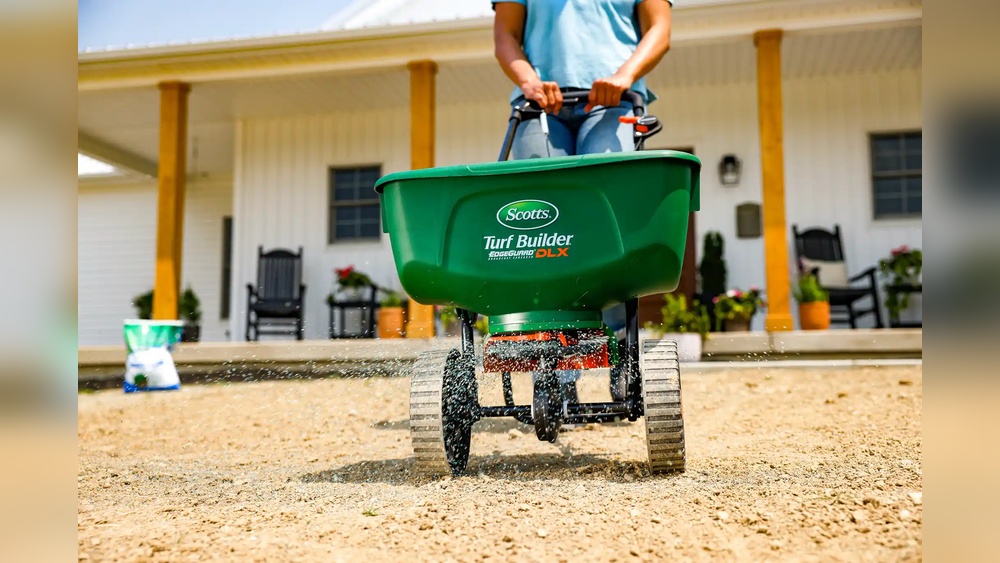
When you care about your lawn or garden, even small choices matter. One decision many people face is picking a drop spreader or a broadcast spreader. These tools help you spread seeds, fertilizer, or other materials across the ground. But if your climate is humid, or you often work on wet grass, moisture becomes a big factor. Moisture can change how well these spreaders work, how evenly they cover, and even how easy they are to clean.
Let’s look at how each type handles moisture, and which one makes lawn care easier when things get wet.
Understanding Drop Spreaders And Broadcast Spreaders
Both drop and broadcast spreaders aim to distribute materials on your lawn. The main difference is their mechanism.
A drop spreader releases material directly underneath as you push. You control exactly where the product goes. This makes it precise—great for tight spaces or borders.
A broadcast spreader throws material out to the sides in a wide pattern. It covers large areas quickly, but isn’t as exact. The spinning disk or wheel inside scatters seeds or fertilizer as you walk.
Here’s a quick side-by-side comparison:
| Feature | Drop Spreader | Broadcast Spreader |
|---|---|---|
| Coverage Pattern | Direct, narrow | Wide, scattered |
| Precision | High | Moderate |
| Speed | Slower | Faster |
| Best Use | Small lawns, edges | Large open areas |
Moisture: The Hidden Challenge
Moisture isn’t just rain or dew. It’s also humidity, wet grass, or even leftover water from irrigation. When materials get damp, they can clump, stick, or clog spreaders. This affects how evenly you can spread fertilizer or seed.
Some products, like granular fertilizers, are very sensitive to moisture. If they stick together, your lawn gets uneven patches—some areas get too much, others too little.
Let’s see how each spreader type performs when things are wet.
Drop Spreader Performance In Moist Conditions
Drop spreaders have a simple mechanism: material drops through holes in a tray. With moisture, the following happens:
- Clumping: If material is wet, it can block the holes. You may need to shake or tap the spreader.
- Sticky residue: Wet fertilizer sticks to the tray, requiring extra cleaning.
- Precision stays high: Even when material clumps, you can control the exact area affected. You’ll notice problems right away and fix them.
A practical tip: If you use a drop spreader in wet conditions, check the holes often. Carry a stick or small brush for quick cleaning.
Here’s how drop spreaders handle moisture:
| Moisture Factor | Drop Spreader Result |
|---|---|
| Wet Product | Clogs holes, slows spreading |
| Wet Grass | Can cause sticking on tray |
| High Humidity | May need frequent cleaning |
Broadcast Spreader Performance In Moist Conditions
Broadcast spreaders use a spinning disk to fling material. Moisture brings different challenges:
- Clumping: Damp material doesn’t spin well. The disk may throw unevenly, with some clumps landing near and others flying far.
- Less control: If moisture causes uneven spreading, you may not notice until you finish the job.
- Disk cleaning: Wet fertilizer or seed can stick to the disk and chute, making cleaning harder.
However, broadcast spreaders often work better with slightly damp conditions than drop spreaders. The spinning action can break up small clumps, as long as things are not too wet.
Comparison of broadcast spreader results:
| Moisture Factor | Broadcast Spreader Result |
|---|---|
| Wet Product | Uneven spread, risk of clumping |
| Wet Grass | Material sticks to disk, chute |
| High Humidity | Works if material is only slightly damp |

Which Handles Moisture Better?
If you work on wet grass or humid days, here’s what you need to know:
- Drop spreaders let you see problems right away. You can fix clogs or sticky spots as you go. But they require more hands-on cleaning and checking.
- Broadcast spreaders can spread material faster and may handle light moisture better. But if the product is very wet, the spread pattern becomes uneven, and you may miss trouble spots.
For heavy moisture or after rain, a drop spreader gives more control, but you must clean it often. If you only face dew or mild humidity, a broadcast spreader usually performs well.
Two non-obvious insights:
- Even with a broadcast spreader, the type of material matters. Fine seeds (like ryegrass) are more likely to clump than larger granules.
- Many beginners forget to check wheel speed. With both spreaders, moving too fast increases clogging risk, especially when materials are damp.
Real-world Examples And Data
A study by the University of Nebraska-Lincoln showed that drop spreaders deliver fertilizer more evenly in wet conditions, but require frequent maintenance. Broadcast spreaders covered more area quickly but resulted in patchy coverage when products were moist.
In actual lawn care forums, users report:
- Drop spreaders: More cleaning, but fewer missed spots.
- Broadcast spreaders: Easier to use in light moisture, but harder to correct mistakes.
Practical Tips For Moisture Management
- Dry your material: If possible, store fertilizer or seed in a dry place.
- Clean after use: Always wash your spreader after working in moist conditions.
- Check often: Stop every 10 minutes to look for clogs or sticky buildup.
- Adjust your speed: Move slower if you notice clumping.
- Choose wisely: For rainy climates, a drop spreader gives more control. For mild humidity, a broadcast spreader saves time.
For more detailed tips on spreader maintenance, visit Gardener’s Supply Company.
Frequently Asked Questions
What Is The Main Difference Between Drop And Broadcast Spreaders?
Drop spreaders release material directly below, making them precise. Broadcast spreaders use a spinning disk to scatter material over a wide area, covering more ground but with less accuracy.
Can I Use Both Spreaders In Wet Conditions?
Yes, but both need extra attention. Check for clogs and clean after use. Drop spreaders are better for heavy moisture, while broadcast spreaders handle light dampness well.
Which Spreader Is Easier To Clean After Using In Wet Conditions?
Drop spreaders are usually easier to clean. Their simple design lets you reach problem areas fast. Broadcast spreaders need disk and chute cleaning, which can be harder.
Does Moisture Affect Fertilizer And Seed Types Differently?
Yes. Fine seeds and powdered fertilizers clump more than large granules. Always check the material’s moisture sensitivity before spreading.
Should I Wait For My Lawn To Dry Before Spreading?
If possible, yes. Dry lawns and materials help both spreaders work better. If you must spread on damp grass, go slow, check frequently, and clean your spreader after.
Choosing the right spreader for moist conditions depends on your lawn size, climate, and how much control you need. With careful use and regular cleaning, both drop and broadcast spreaders can help you get a healthy, green lawn—even when the weather doesn’t cooperate.
