
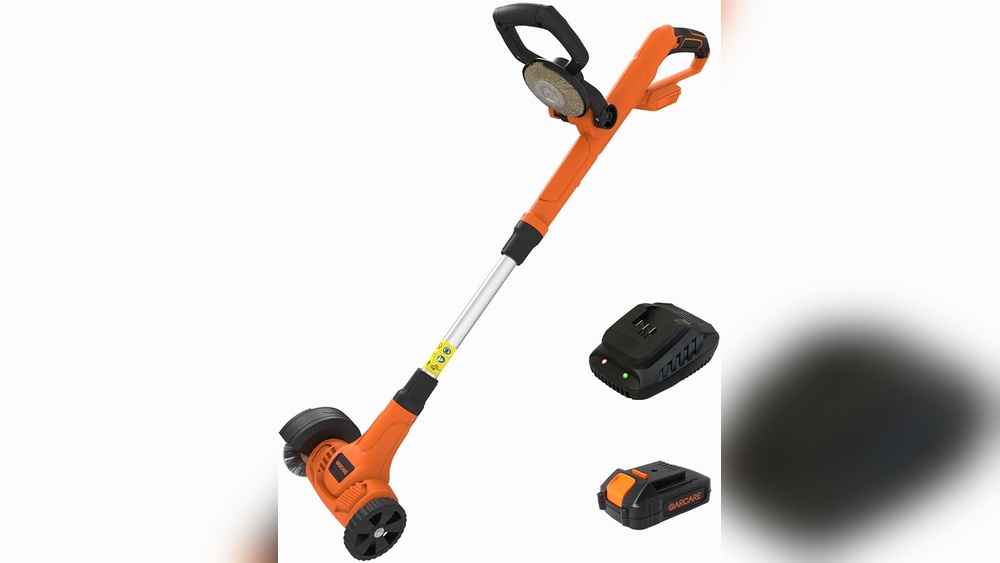
Removing moss from pavers is a common challenge for homeowners and landscapers. Moss grows in damp, shaded areas, making patios, driveways, and walkways slippery and unsightly. Choosing the right brush for this job is important—not only for cleaning efficiency but also for safety and the long-term condition of your pavers. Two popular choices are nylon brushes and wire brushes, but which is safer for removing paver moss? Let’s break down the facts and help you make a confident decision.
Understanding Nylon And Wire Brushes
Both brush types are easy to find and come in handheld or attachable versions for power tools. However, they differ in material, stiffness, and the way they interact with surfaces.
What Is A Nylon Brush?
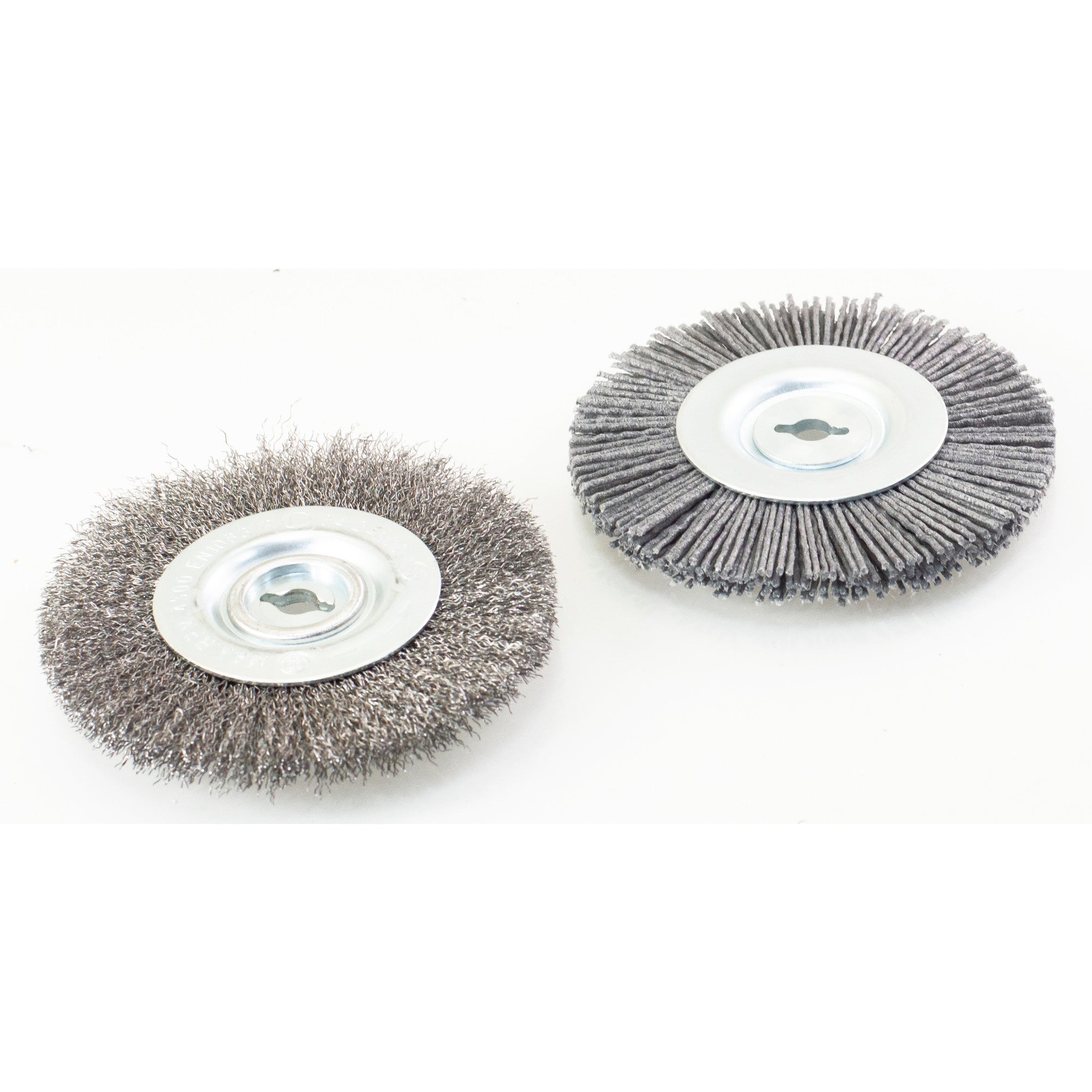
A nylon brush features synthetic bristles that are flexible and less abrasive. They are often used for cleaning delicate surfaces because the bristles bend rather than scratch.
What Is A Wire Brush?
A wire brush is made with metal bristles, usually steel or brass. These bristles are rigid, sharp, and can cut through tough grime, moss, and even rust.
Moss Removal: How Do The Brushes Perform?
Choosing the right brush affects not only how well you clean but also the lifespan of your pavers and your own safety during the process.
Cleaning Power Comparison
Nylon brushes are ideal for light moss and regular maintenance. Their flexibility means they reach into grooves without much risk to the stone. However, they might struggle with thick, well-established moss.
Wire brushes are known for their aggressive cleaning. They remove deep-rooted moss quickly, even if it has been growing for years. But this power comes with some risks.
Table: Cleaning Effectiveness
| Brush Type | Light Moss | Heavy Moss | Speed |
|---|---|---|---|
| Nylon | Good | Fair | Moderate |
| Wire | Excellent | Excellent | Fast |
Safety: The Real Difference
When it comes to safety, nylon and wire brushes are not equal. Here’s what you need to know before you start scrubbing.
Paver Surface Protection
Nylon brushes are gentle. They clean moss without scratching or eroding the surface. This is especially important for concrete pavers, natural stone, and colored surfaces. Over time, using nylon helps preserve both appearance and value.
Wire brushes, while powerful, can scratch and gouge the top layer of pavers. These scratches allow more water to enter, creating new places for moss and weeds to grow. On softer stones, repeated wire brushing can cause permanent damage.
User Safety
Nylon bristles rarely break off or cause injury. Even if a bristle does come loose, it is unlikely to cut skin or damage clothing.
Wire bristles, however, can snap and become sharp projectiles. Injuries—such as cuts to the hands or eyes—are not uncommon when using wire brushes, especially with power tools. In fact, hospital records show that small wire fragments can become embedded in skin or eyes, sometimes needing surgical removal.
Table: Safety Factors
| Risk | Nylon Brush | Wire Brush |
|---|---|---|
| Paver Surface Damage | Very Low | High |
| User Injury | Minimal | Moderate to High |
| Bristle Fragment Hazard | Rare | Possible |
Common Mistakes When Removing Moss
- Using wire brushes on soft stone: This can cause deep scratches and permanent marks.
- Ignoring protective gear: Even nylon brushes can flick debris into your eyes, so always wear safety glasses.
- Skipping regular cleaning: Waiting until moss is thick makes removal harder and risks more damage.
- Applying too much pressure: Hard scrubbing, especially with wire, can wear down both the paver and brush.
- Not checking brush condition: Damaged brushes (missing or bent bristles) can be less effective and more dangerous.
Non-obvious Insights Most Beginners Miss
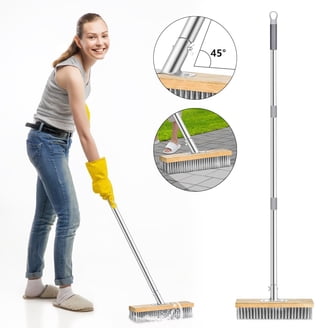
First, many people think tougher means better. In fact, aggressive cleaning can shorten the life of your pavers. Gentle, repeated nylon brushing usually works best.
Second, moss often returns because moisture and shade remain. After cleaning, improve drainage or sunlight exposure. You can also sweep sand into the joints to help stop moss regrowth.
When To Choose Nylon Vs. Wire
- Use nylon brushes for regular cleaning, delicate or colored pavers, and whenever safety is a concern.
- Wire brushes are best reserved for very thick moss on hard, uncolored surfaces—only if you understand the risks.
If you must use a wire brush, always wear gloves, long sleeves, and eye protection. Test a small, hidden area first to see if the paver scratches.
Environmental Impact
Nylon brushes usually outlast wire brushes and are less likely to leave fragments behind. Steel wire bristles may rust and pollute soil with tiny metal pieces. Choosing nylon is a small but real way to protect your garden and reduce waste.
Cost And Durability
Nylon and wire brushes are priced similarly, but nylon often lasts longer under normal use. Wire brushes wear out quickly if used on rough surfaces, and bent wires can make them dangerous to use.
Table: Durability And Cost
| Brush Type | Average Lifespan | Typical Price Range |
|---|---|---|
| Nylon | 6-12 months | $8–$18 |
| Wire | 3-8 months | $10–$22 |

The Bottom Line
For most homeowners and gardeners, nylon brushes are the safer, smarter choice for removing moss from pavers. They protect your surfaces, reduce injury risk, and help keep your outdoor space looking good. Wire brushes work well for the toughest jobs, but only when used carefully and with proper protection. Remember, regular cleaning is key to preventing moss buildup, no matter which brush you use.
If you want more details on moss control and safe cleaning methods, check the advice at the Royal Horticultural Society.
Frequently Asked Questions
What Type Of Brush Is Safest For Colored Pavers?
A nylon brush is safest for colored pavers because it cleans without removing color or scratching the surface.
Can Wire Brushes Damage Concrete Pavers?
Yes, wire brushes can scratch and erode concrete pavers, especially if used with force or repeatedly.
How Often Should I Clean Moss From My Pavers?
Clean your pavers every few months or whenever you notice moss. Regular maintenance prevents buildup and damage.
Do I Need To Use Chemicals With Nylon Brushes?
Usually, water and a nylon brush are enough for light moss. For heavy growth, a mild soap or vinegar solution can help.
Is It Safe To Use A Wire Brush Attachment On A Power Tool?
Wire brush attachments are effective but risky. Always wear safety gear, and test a small area before full use to avoid injury or paver damage.
