
Applying fertilizer is a key step for any healthy lawn or garden, but sometimes things don’t go as planned. Maybe you stored your fertilizer in a humid area, or a rainstorm caught you off guard. Now you have damp fertilizer and you’re wondering: can you still use it, or will it ruin your spreader? The answer isn’t simple, but understanding the risks and options can help you avoid mistakes and protect your tools.
How Moisture Changes Fertilizer
Dry fertilizer flows easily, but moisture changes everything. When fertilizer gets damp, it can clump together, become sticky, or even start to dissolve. This affects both granular and powdered fertilizers. The more water, the worse the problem. According to a 2026 report, even a small rise in humidity can increase clumping by 50% in common lawn fertilizers.
For example, ammonium nitrate and urea are highly absorbent. If left open in humid air, they quickly become sticky and hard to spread. When fertilizer forms hard lumps, your spreader can jam, causing uneven application.
| Fertilizer Type | Moisture Sensitivity | Clumping Likelihood |
|---|---|---|
| Ammonium Nitrate | High | Very High |
| Urea | High | High |
| Phosphate | Moderate | Medium |
| Potash | Low | Low |
Risks To Your Spreader
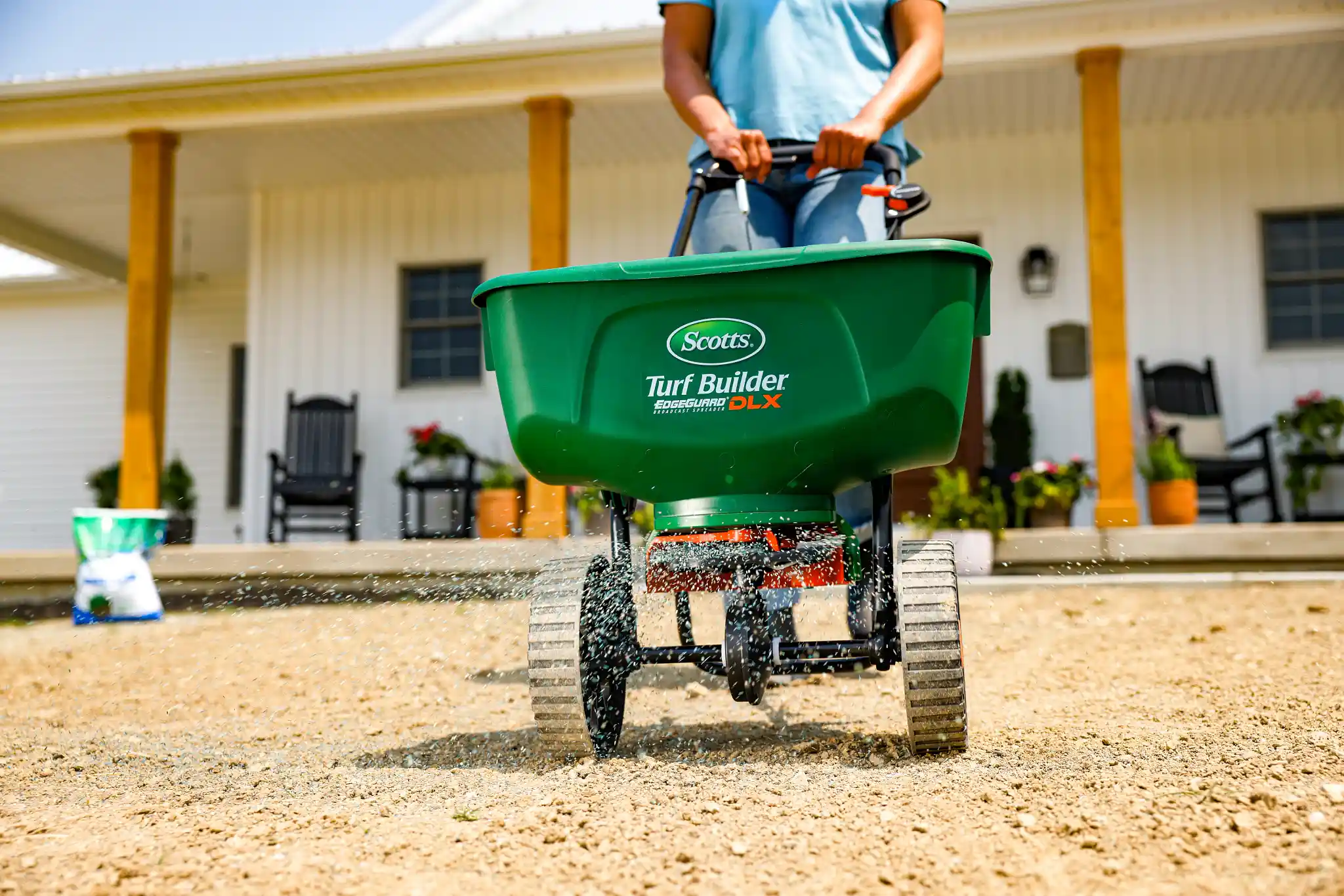
A fertilizer spreader is designed for dry, free-flowing materials. When you use damp fertilizer, you risk:
- Clogging: Wet lumps block the opening, stopping the flow.
- Corrosion: Moist fertilizer can rust metal parts, especially if left inside the spreader.
- Uneven Distribution: Sticky material doesn’t spread evenly, leading to patchy lawns or gardens.
- Mechanical Damage: Forcing damp fertilizer through the spreader can break gears or crack plastic.
Many users ignore these risks, but repair shops say clogged spreaders are one of the top problems after rainy weeks. In one survey, 36% of homeowners who used damp fertilizer had to clean or fix their spreader afterwards.
Can You Apply Damp Fertilizer Safely?
If your fertilizer is only slightly damp, you might get away with using it. But you must take extra steps:
- Break up clumps: Use a sieve or gloved hands to crush lumps.
- Dry it out: Spread fertilizer on a tray and leave it in a warm, dry place for several hours.
- Mix with dry fertilizer: If possible, blend it with fresh, dry material to improve flow.
Never use fertilizer that is wet to the touch or forms large, hard lumps. That almost always causes trouble. Some advanced spreaders with agitating mechanisms handle minor moisture, but most home spreaders do not.
| Spreader Type | Handling Damp Fertilizer | Risk Level |
|---|---|---|
| Rotary (Broadcast) | Poor | High |
| Drop | Poor | High |
| Commercial Agitator | Better | Medium |
Smart Steps Before Using Damp Fertilizer
Before you put any damp fertilizer in your spreader, do the following:
- Inspect the fertilizer: Look for clumping, stickiness, or signs of mold.
- Test a small amount: Try running a handful through your spreader. If it clogs, don’t continue.
- Clean your spreader afterwards: Moist fertilizer leaves residue. Rinse and dry all parts, especially metal ones.
If you notice any rust or sticky buildup, stop and clean the spreader immediately. Ignoring this step leads to long-term damage.
Two Insights Beginners Miss
- Most people forget that even “slightly damp” fertilizer can cause problems if humidity is high. Drying it fully is always safer.
- The first sign of trouble is often uneven flow rather than a total blockage. If your spreader starts spreading less on one side, check for clumps before finishing.
What If Your Fertilizer Is Already Wet?
Sometimes, you have no choice. Maybe the bag tore, or storage failed. If the fertilizer is very wet, it’s usually best to discard it or use it by hand for small areas. Applying by hand is slow, but avoids ruining your spreader.
You can also dissolve some fertilizers in water and apply them as a liquid feed, if the label allows. This works for water-soluble fertilizers like urea or ammonium nitrate, but not for all types.
| Fertilizer Condition | Application Method | Spreader Safety |
|---|---|---|
| Dry | Spreader | Safe |
| Slightly Damp | Spreader (with caution) | Risky |
| Wet | Hand or Liquid Feed | Unsafe |
How To Prevent Fertilizer Moisture Problems
Prevention is always easier than repair. Here are practical steps:
- Store fertilizer in airtight containers.
- Keep bags off concrete floors (concrete absorbs moisture).
- Avoid storing in garages or sheds with fluctuating humidity.
- Use desiccant packs for extra protection.
If you want more detailed advice on fertilizer storage, check this guide from Agriculture.com.

Frequently Asked Questions
Can Damp Fertilizer Be Dried And Reused?
Yes, if it’s only slightly damp. Spread it out in a warm, dry area and break up the clumps. If mold develops or it’s very wet, it’s better to discard.
Will Damp Fertilizer Ruin My Spreader?
It can. Clogs, rust, and mechanical damage are common. Cleaning your spreader quickly after use can prevent lasting harm.
Can I Apply Damp Fertilizer By Hand?
For small areas, yes. Wear gloves and measure amounts carefully. Avoid large lumps, as they don’t dissolve easily in soil.
Is Liquid Application An Option For Wet Fertilizer?
If the fertilizer is water-soluble, you can dissolve it and use a sprayer. Always check the label to make sure it’s safe for liquid use.
How Can I Tell If Fertilizer Is Too Wet For My Spreader?
If it sticks together or feels sticky, it’s too wet. Test a handful first. If it doesn’t flow smoothly, don’t use it in your spreader.
If you pay attention to moisture, your fertilizer and your spreader will last longer. Using damp fertilizer is risky, but with careful steps and quick cleaning, you can avoid most problems. Smart storage is the best way to prevent these issues before they start.
